Content Gap Analysis: for LLMs
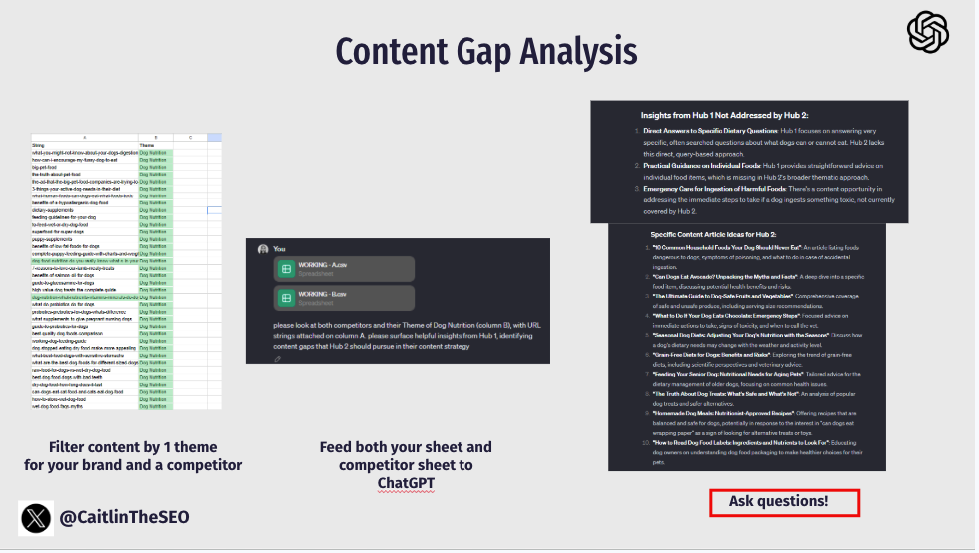
In the modern digital ecosystem, where information flows at an overwhelming speed, brands and businesses are constantly competing for attention.
Every second, thousands of new articles, posts, and multimedia assets are published across the internet, making visibility increasingly difficult to achieve. In such a crowded environment, simply producing content is no longer enough; what truly matters is producing the right content.
This is where content gap analysis for LLMs (Large Language Models) becomes a powerful strategic advantage.
Content gaps refer to topics, questions, or intent-driven queries that your website or brand has not adequately covered, or has not covered in a way that satisfies user or AI-driven search expectations.
These missing or underdeveloped areas represent lost visibility, reduced engagement, and missed conversion opportunities.
With the rise of AI-powered search systems and Large Language Models, identifying these gaps is no longer limited to manual keyword research.
Instead, LLM-based analysis enables a deeper, more intelligent evaluation of content ecosystems, uncovering opportunities that traditional SEO tools may overlook.
Content Gap Analysis in the Age of LLMs
A content gap analysis in the context of LLMs is the process of identifying missing, underperforming, or insufficiently covered topics within a content ecosystem by leveraging AI models that understand language, intent, and semantic relationships at scale.
Unlike traditional keyword-based methods, LLM-driven analysis focuses on meaning, context, and user intent. It evaluates not only what content exists, but also what should exist based on user queries, conversational prompts, and search behavior patterns across AI platforms and search engines.
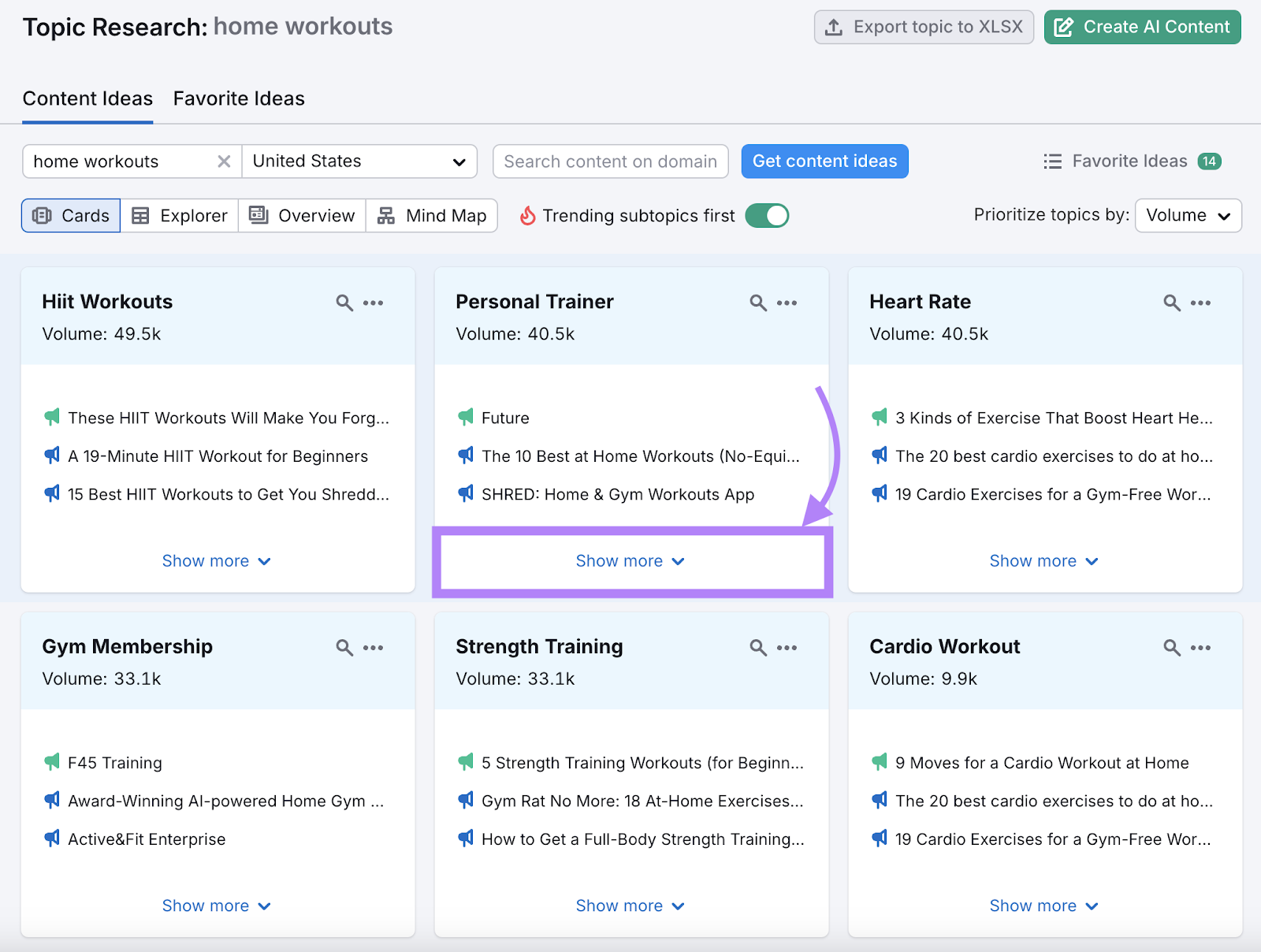
In practical terms, content gap analysis powered by LLMs helps you uncover:
Topics your competitors are being surfaced for in search engines and AI responses, while your brand remains absent.
Conversational prompts and natural language queries that your content does not yet address. Stages of the customer journey, awareness, consideration, and decision, that are missing content support.
Areas within existing articles that lack depth, updated insights, or contextual relevance
It also extends beyond new content creation. LLM-based analysis can evaluate your existing content library and identify opportunities for improvement, such as expanding explanations, adding expert insights, refining structure, or aligning better with user intent.
For example, a blog post that briefly explains a concept can be enhanced by an LLM suggestion to include real-world applications, frequently asked questions, or deeper problem-solving insights that users and AI systems actively look for.
Why Content Gap Analysis Matters for LLM-Based Search Ecosystems
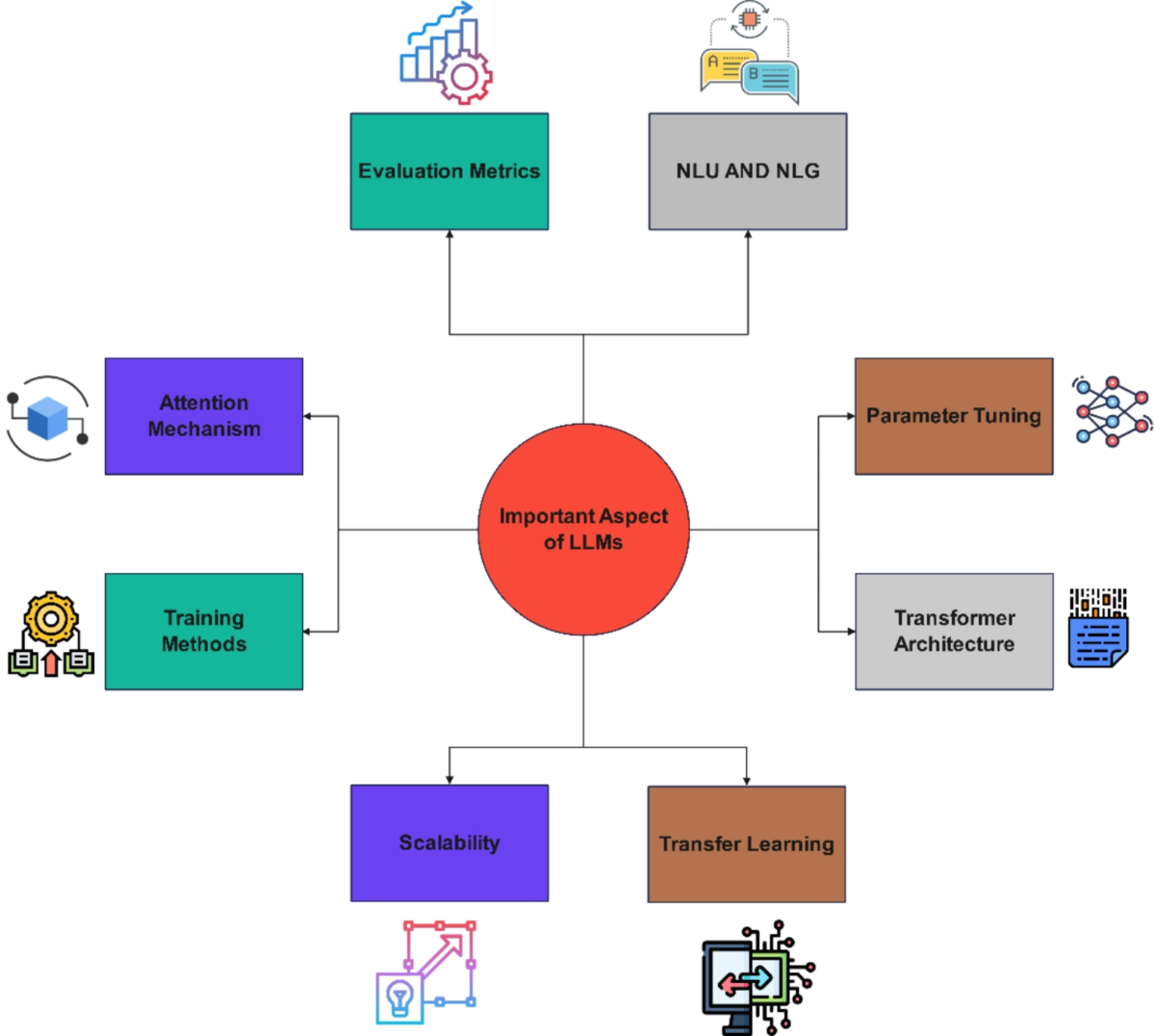
The way people discover information is changing rapidly. Traditional search engines are now complemented, and in some cases replaced, by AI-driven interfaces that rely on Large Language Models to generate direct answers.
This shift makes content gap analysis for LLMs more critical than ever before.
When businesses fail to identify and address content gaps, they risk becoming invisible in both search engine results and AI-generated responses.
On the other hand, brands that strategically analyze and close these gaps position themselves as authoritative sources across multiple discovery channels.
More importantly, LLMs interpret content differently from traditional ranking systems. They prioritize completeness, relevance, contextual depth, and semantic coverage.
This means that missing even subtle topic variations can significantly reduce your visibility in AI-generated outputs.
What a Content Gap Analysis Typically Involves in LLM Contexts
In a modern AI-driven environment, content gap analysis is not limited to comparing keywords. Instead, it includes a multi-layered evaluation process powered by language models.
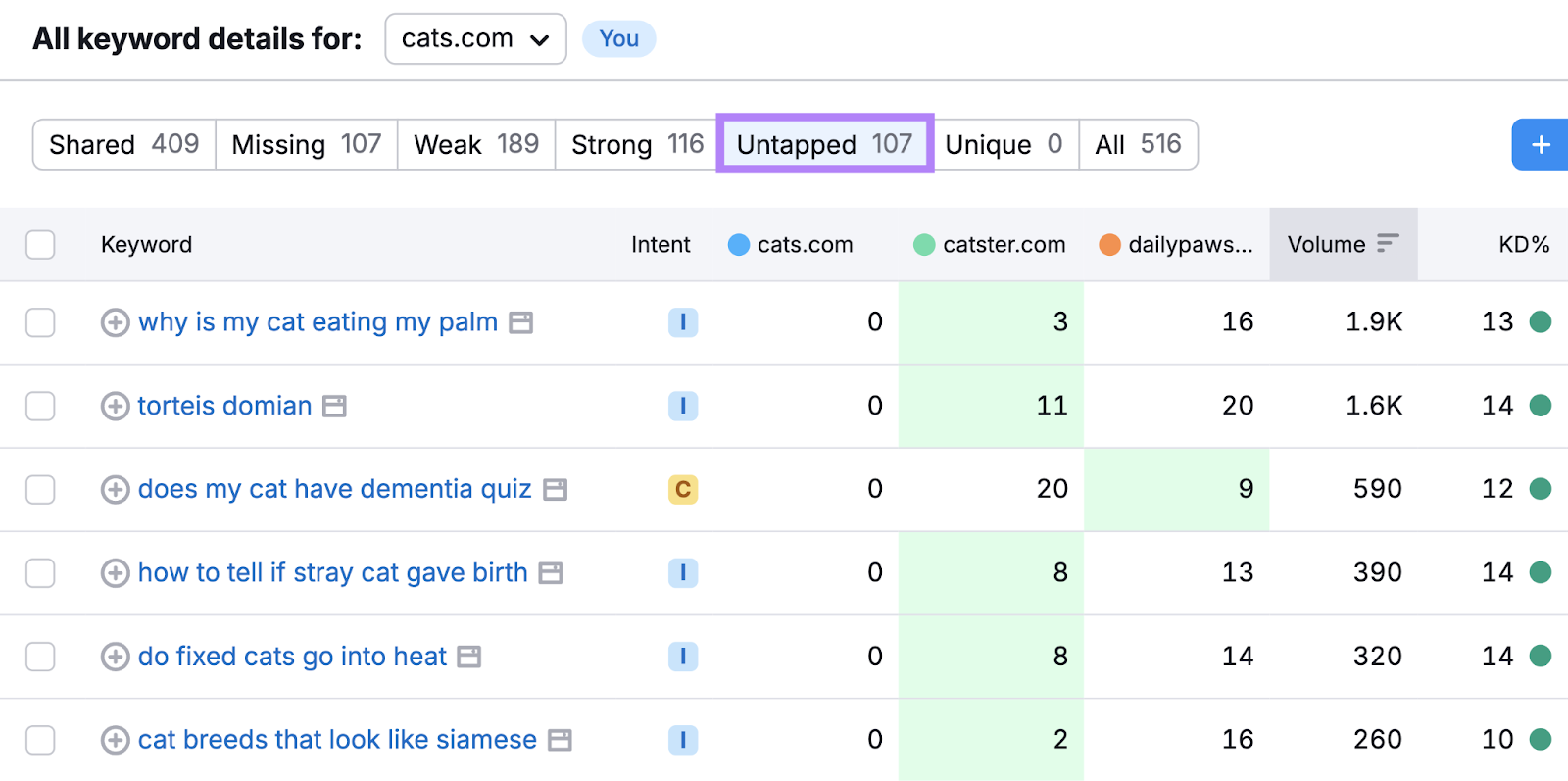
One major aspect involves identifying topics and semantic queries that competitors appear in, while your content does not. This highlights strategic areas where visibility is being lost.
Another layer involves analyzing how Large Language Models respond to user prompts related to your niche. If your brand is not referenced or your content is not used as a source in these responses, it signals a critical gap in AI visibility.
Additionally, LLM-based analysis maps content to the entire user journey. It identifies whether your content adequately supports users from initial awareness through to decision-making stages.
Finally, it evaluates existing content to detect weaknesses such as outdated information, shallow explanations, missing perspectives, or a lack of contextual depth.
This approach transforms content strategy from reactive publishing into proactive, intelligence-driven planning.
Key Benefits of Performing Content Gap Analysis for LLMs
Adopting content gap analysis powered by Large Language Models provides several strategic advantages that extend beyond traditional SEO improvements.
One of the most significant benefits is enhanced visibility across search and AI platforms. By identifying missing topics and optimizing content accordingly, brands increase their chances of appearing in both traditional search results and AI-generated answers.
Another important benefit is competitive traffic acquisition. When your content addresses topics more thoroughly than competitors, you naturally attract users who would otherwise engage with competing sources.
LLM-based analysis also improves content creation efficiency. Instead of relying solely on manual brainstorming or keyword research, AI systems generate data-driven insights that accelerate topic discovery and content planning.
Perhaps most importantly, it leads to better business outcomes. Content that aligns closely with user intent, answers real questions, and fills knowledge gaps tends to convert more effectively. It builds trust, authority, and relevance, key factors in digital success.
How to Perform SEO & GEO Content Gap Analysis for Stronger AI Visibility
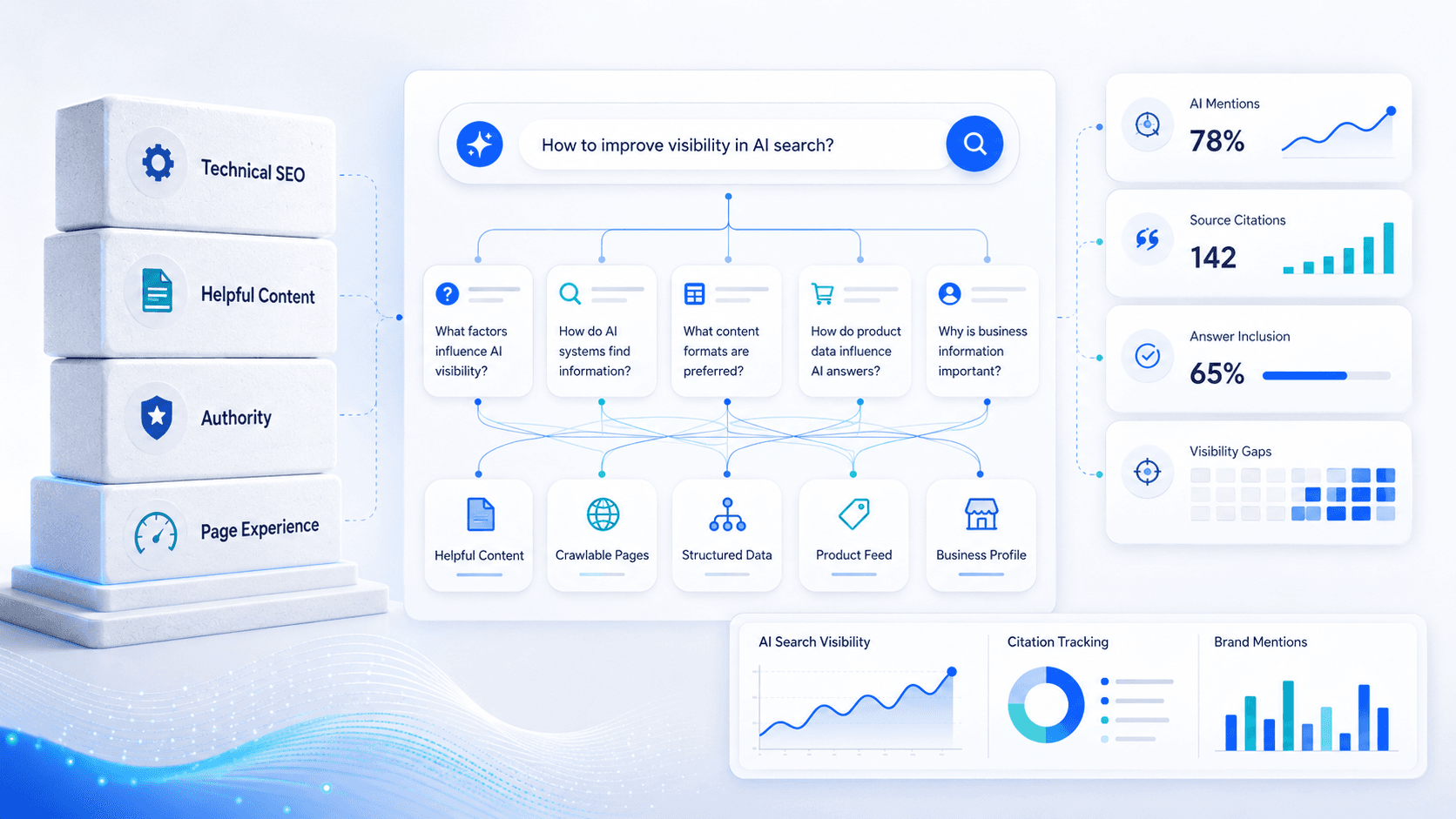
The digital search landscape is evolving rapidly. Traditional search engines remain important, but they are no longer the only place where people discover information.
Users are increasingly turning to AI-powered platforms and conversational search experiences to ask questions, compare solutions, and make decisions. As this shift continues, content strategies must evolve beyond conventional SEO practices.
This is where content gap analysis for LLMs becomes essential. Content gap analysis has traditionally focused on discovering topics or keywords competitors rank for that your website does not.
However, in an environment shaped by Large Language Models (LLMs) and Generative Engine Optimization (GEO), the process becomes more advanced. Businesses now need to understand not only what content they are missing but also whether AI systems recognize, interpret, and surface their content when users ask relevant questions.
A well-executed content gap analysis for LLMs helps uncover opportunities to increase visibility across both traditional search engines and AI-generated responses. It reveals missing content themes, weak areas in existing pages, untapped conversational queries, and strategic opportunities to strengthen authority.
1. Find Competitors’ Keywords and Discover Missing Opportunities
One of the most effective starting points for content gap analysis is understanding where competitors are gaining visibility while your content remains absent.
Competitor analysis allows you to identify subjects and search opportunities that already demonstrate market demand. If competing websites consistently appear for certain topics while your website does not, there is often a content gap worth investigating.
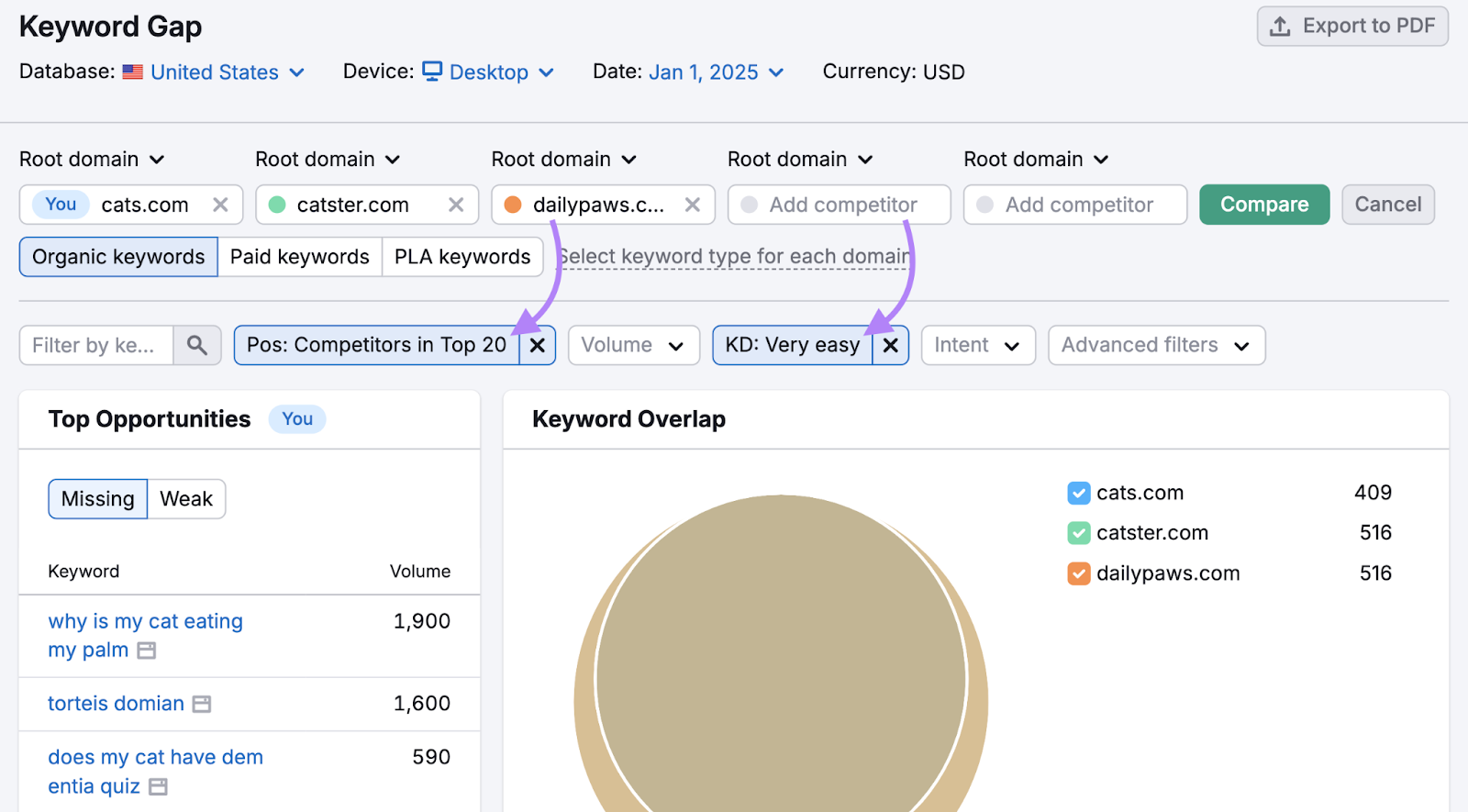
Keyword gap research helps uncover these opportunities by comparing your website’s existing coverage with competing domains. The objective is not to imitate competitors but to identify where your content ecosystem lacks relevance or depth.
Modern SEO platforms make this process faster by allowing businesses to compare multiple domains and uncover patterns in search performance. However, content gap analysis should not stop at collecting large lists of keywords. Large datasets often create noise rather than clarity.
Filtering opportunities becomes important. Newer websites or websites with lower authority often benefit from focusing on achievable topics rather than competing immediately for highly competitive search terms.
Looking for lower-difficulty opportunities allows brands to establish topical authority gradually while expanding into broader subject areas over time.
This stage of analysis often reveals entire content categories that have not yet been developed.
2. Find LLM Prompts You Lack Visibility For
Traditional SEO focuses heavily on keywords, but AI visibility introduces a different layer of discovery.
People interact with Large Language Models differently than they interact with search engines. Instead of typing fragmented keyword phrases, users ask complete questions and expect conversational answers.
This shift means businesses must understand which prompts and natural language queries influence visibility inside AI environments.
Content gap analysis for LLMs involves identifying situations where users ask relevant questions but your brand does not appear in AI-generated responses.
AI visibility analysis evaluates whether your content is recognized, referenced, cited, or surfaced across prompt-driven environments.
This process uncovers valuable insights. You may discover that your website performs well in search rankings but remains nearly invisible within AI-generated answers.
This usually indicates a content structure problem rather than a content quantity problem. Your content may not fully address conversational intent, semantic relationships, or contextual expectations that LLMs prioritize.
Prompt-level analysis helps businesses move beyond keyword optimization and begin creating content that mirrors real user conversations. The result is stronger discoverability across emerging AI search environments.
3. Research What Your Audience Actually Wants
One of the biggest mistakes in content creation is assuming that keyword demand automatically reflects audience needs. Content gap analysis for LLMs requires a deeper understanding of user intent.
The most successful content strategies begin with understanding audience behavior, motivations, frustrations, and goals. Researching audience interests helps identify content opportunities that traditional keyword analysis may overlook.
Studying discussions across digital communities often reveals recurring concerns and questions. Customer surveys can expose preferences and unmet expectations. Website behavior analysis may reveal which content categories consistently attract engagement.
Audience research helps uncover hidden demand. Once broader themes become visible, those themes can be translated into highly targeted content opportunities.
Instead of publishing content based solely on search volume, businesses begin publishing content designed around genuine informational needs.
This alignment becomes especially important for AI-driven discovery because LLMs prioritize content that demonstrates relevance and satisfies intent comprehensively.
The more accurately the content reflects real user expectations, the more likely it becomes to earn visibility.
4. Identify Underperforming Content and Strengthen Existing Assets
Content gaps do not always mean creating entirely new pages. In many cases, opportunities already exist inside published content.
Over time, content that once performed well may gradually lose visibility due to changing search behavior, outdated information, stronger competitors, or evolving user expectations.
Analyzing underperforming content helps reveal these hidden gaps. Reviewing traffic patterns and engagement trends often highlights pages that previously generated results but no longer attract attention.
Declining performance may indicate missing updates, incomplete explanations, outdated data, or weakened relevance. Refreshing content can often produce faster gains than publishing new material.
Existing articles may benefit from stronger context, expanded explanations, updated examples, additional perspectives, or improved structure.
For AI visibility specifically, refreshed content frequently performs better because Large Language Models often favor current and contextually complete information.
Content improvement becomes a strategic advantage rather than simply a maintenance task.
5. Analyze Search Results and AI Responses to Understand Content Expectations
The final stage of content gap analysis involves studying the content that currently dominates search engines and AI-generated responses. This process provides valuable insight into what users and algorithms consider useful.
When evaluating topics, it is important to study both traditional rankings and AI-generated answers. Observe how successful content structures information.
Examine which details appear consistently.
Notice what questions are answered directly and what supporting information is included. At the same time, identify what may still be missing. Content gaps often become visible through comparison.
One common issue is recency. Content loses value when information becomes outdated, especially in industries that evolve quickly. Another issue is readability. Even highly informative content may underperform if it feels difficult to navigate or understand.
Expertise also plays an increasingly important role. Content supported by knowledgeable perspectives often earns greater trust and authority. Experience has become equally valuable. First-hand insights, examples, observations, and original findings help distinguish content from generic summaries.
Thoroughness remains one of the strongest differentiators. Content that addresses surrounding questions, explores related concerns, and provides complete guidance tends to perform more effectively.
In many cases, studying current search and AI results reveals opportunities not to match existing content, but to improve upon it.
The Role of LLMs in Content Gap Analysis

Large Language Models bring a deeper layer of intelligence into content evaluation.
Traditional content analysis often asks simple questions such as whether a keyword exists or whether a page ranks.
LLM-based analysis goes further by asking whether content actually answers user needs, aligns with conversational intent, and delivers complete contextual value.
This shift transforms content strategy from publishing-focused execution into insight-driven optimization.
When applied to content gap analysis, LLMs process large volumes of information across multiple sources and identify patterns that may otherwise remain hidden.
These sources may include search behavior, competitor content ecosystems, audience interactions, user-generated feedback, website content libraries, and conversational queries.
Through this analysis, LLMs uncover gaps such as:
- Topics users frequently seek but cannot find.
- Areas where competitors provide stronger educational value.
- Questions left unanswered within existing content.
- Weak transitions across stages of the customer journey.
- Insufficient topical depth.
- Semantic opportunities connected to emerging interests.
For example, imagine an e-commerce brand specializing in outdoor equipment.
Traffic remains steady, but engagement around seasonal product categories remains lower than expected.
Using LLM-driven content analysis, the business evaluates customer questions, competitor pages, reviews, and search conversations.
The analysis reveals that competitors provide extensive educational resources around winter outdoor preparation, while the brand only briefly references the topic. With this insight, the business develops richer educational content addressing planning, equipment selection, preparation checklists, and seasonal guidance.
The result is stronger engagement, broader visibility, and improved user retention.
This illustrates how content gap analysis for LLMs extends beyond identifying missing pages; it identifies missing values.
How LSEO AI Applies LLM Technology to Content Gap Analysis
Modern platforms built around LLM capabilities are helping businesses transform how content decisions are made.
One example is LSEO AI, which applies Large Language Model analysis to evaluate content ecosystems at scale.
Instead of relying exclusively on ranking reports or keyword inventories, platforms like LSEO AI analyze relationships between audience behavior, search demand, content coverage, and competitive positioning.
The objective is to reveal where content lacks authority, completeness, or strategic alignment. This process involves evaluating large collections of:
- User interactions.
- Query patterns.
- Topic clusters.
- Engagement signals.
- Existing website content.
- Competitor ecosystems.
By comparing these data points against a company’s current content inventory, businesses gain a clearer picture of what should be improved.
Consider a digital marketing agency aiming to strengthen authority around AI-related services.
Their articles generate moderate traffic but struggle to convert engagement into meaningful growth.
After applying LLM-driven content analysis, they discover that their content explains AI marketing concepts only at a surface level while competing resources include implementation examples, strategic insights, and practical outcomes.
The agency updates its content to include detailed scenarios, expert interpretation, and deeper educational value. Over time, content quality improves alongside authority and engagement.
This demonstrates how content gap analysis for LLMs supports strategic content development rather than isolated optimization.
Real-World Applications of LLM-Based Content Gap Analysis
Across industries, organizations are increasingly using LLM-powered analysis to strengthen content performance and build authority. In health and wellness publishing, LLM analysis helps uncover emerging conversations and unmet informational needs.
For example, a wellness publication may discover that readers increasingly seek practical discussions around emotional well-being, but existing articles provide only broad overviews.
By expanding coverage and creating deeper educational content, the publication strengthens audience trust and becomes a more visible source within its niche.
In education, content gap analysis often reveals opportunities to improve engagement rather than simply expand content volume. A learning platform may identify that educational articles perform well but users seek more interactive support materials.
Introducing supplementary learning experiences such as exercises and applied learning resources creates stronger engagement and longer user sessions.
Technology companies also benefit significantly. For example, a consumer electronics brand may discover that new customers repeatedly search for setup instructions and practical usage guidance.
By expanding educational content and onboarding resources, the company improves user experience and reduces customer friction. These examples show that content gap analysis for LLMs is not limited to publishing, it influences customer experience, education, and long-term growth.
Understanding the Competitive Landscape Through LLM Analysis
One of the most powerful capabilities of LLM-based content analysis is its ability to evaluate competitors beyond surface-level rankings.
Traditional competitor research often focuses on traffic and keywords. LLMs expand the analysis by examining structure, depth, topical authority, semantic relationships, and content evolution.
This provides businesses with a broader understanding of what competing brands do well, and where opportunities exist to outperform them.
For example, an automotive publication may analyze competing websites and discover that competitors consistently refresh model comparisons and release updated insights more frequently.
Rather than simply producing more content, the publication adopts a strategy centered on timely updates and richer analysis.
As content relevance improves, visibility and engagement strengthen naturally.
Competitive analysis powered by LLMs transforms content planning into a more informed and strategic process.
A Step-by-Step Framework for Implementing Content Gap Analysis for LLMs
Successfully implementing LLM-based analysis begins with defining clear objectives.
Organizations should first determine what they want to improve.
Some may prioritize stronger search visibility.
Others may focus on engagement, conversions, AI discoverability, or authority building.
Once objectives are established, the next step involves gathering meaningful data.
This includes content inventories, audience behavior, search demand, competitor insights, and engagement signals.
LLM-powered analysis then evaluates this information and identifies missing opportunities, underdeveloped topics, and content weaknesses.
After insights are generated, businesses can develop a content strategy focused on filling identified gaps.
Execution follows through content creation, enhancement, restructuring, and optimization.
Finally, ongoing performance monitoring ensures content strategies remain aligned with evolving user expectations and AI behaviors.
This continuous cycle turns content improvement into an ongoing competitive advantage.
Visualizing the LLM Content Gap Analysis Process
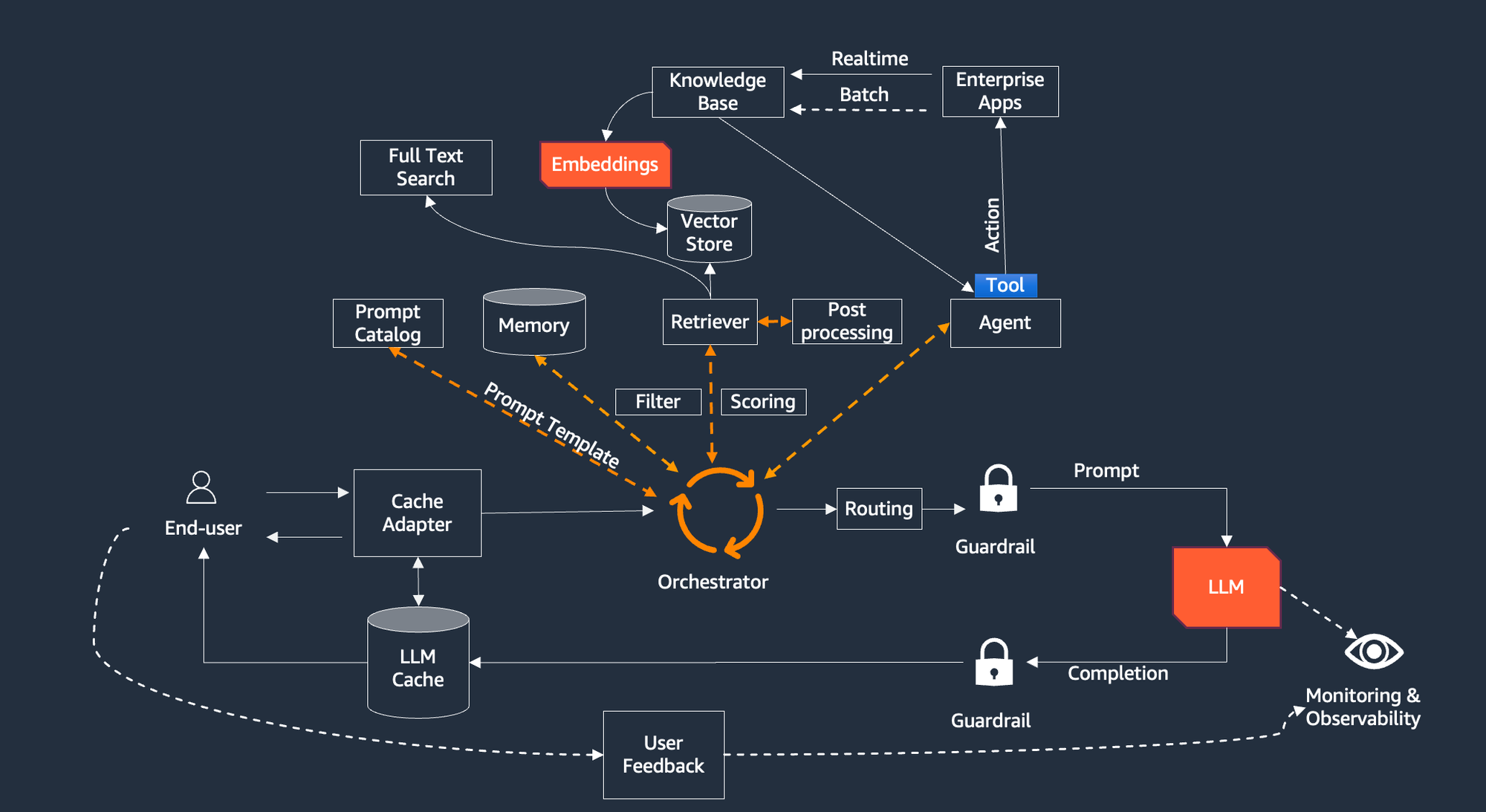
Although the underlying technology may appear complex, the workflow itself follows a logical progression.
The process begins with collecting information from multiple touchpoints, including search behavior, content assets, audience interactions, competitor ecosystems, and engagement data.
Next, Large Language Models process this information and identify relationships, trends, and deficiencies.
Insights generated through analysis then inform strategic content decisions.
These strategies are translated into execution through content development and optimization.
Finally, performance measurement creates feedback loops that continuously improve future content decisions.
Rather than functioning as a one-time audit, content gap analysis for LLMs becomes a living process of continuous refinement.
Overcoming Challenges in LLM-Based Content Analysis
While LLM-powered content analysis provides substantial advantages, businesses should recognize that challenges still exist.
One common issue involves distinguishing meaningful opportunities from temporary fluctuations. Not every emerging topic deserves immediate investment.
Organizations must learn to differentiate between lasting content demand and short-lived attention spikes. Another challenge is interpreting data accurately.
Without reliable frameworks, businesses may create unnecessary content or overlook more valuable opportunities.
Using dependable analysis systems and combining AI insights with human judgment helps reduce these risks. Additionally, rapid changes in user behavior and AI systems require businesses to remain adaptable.
Content strategies that succeed today may require adjustment tomorrow.
Organizations that embrace continuous evaluation rather than static planning are more likely to maintain long-term visibility.
Related Searches: