Marketing Trends: The Ultimate Guide
Marketing is evolving faster than ever. With rapid technological advancements, shifting consumer behavior, and the rise of artificial intelligence, businesses must stay ahead of the latest marketing trends to remain competitive.
What worked five years ago, or even last year, may no longer deliver results today.
This pillar guide explores what digital marketing is, the most important marketing trends shaping the industry, real-world examples of these trends, and how artificial intelligence is transforming digital marketing.
If you are a business owner, marketer, or aspiring professional, this guide will help you understand where marketing is headed and how to adapt successfully.
What is Digital Marketing?

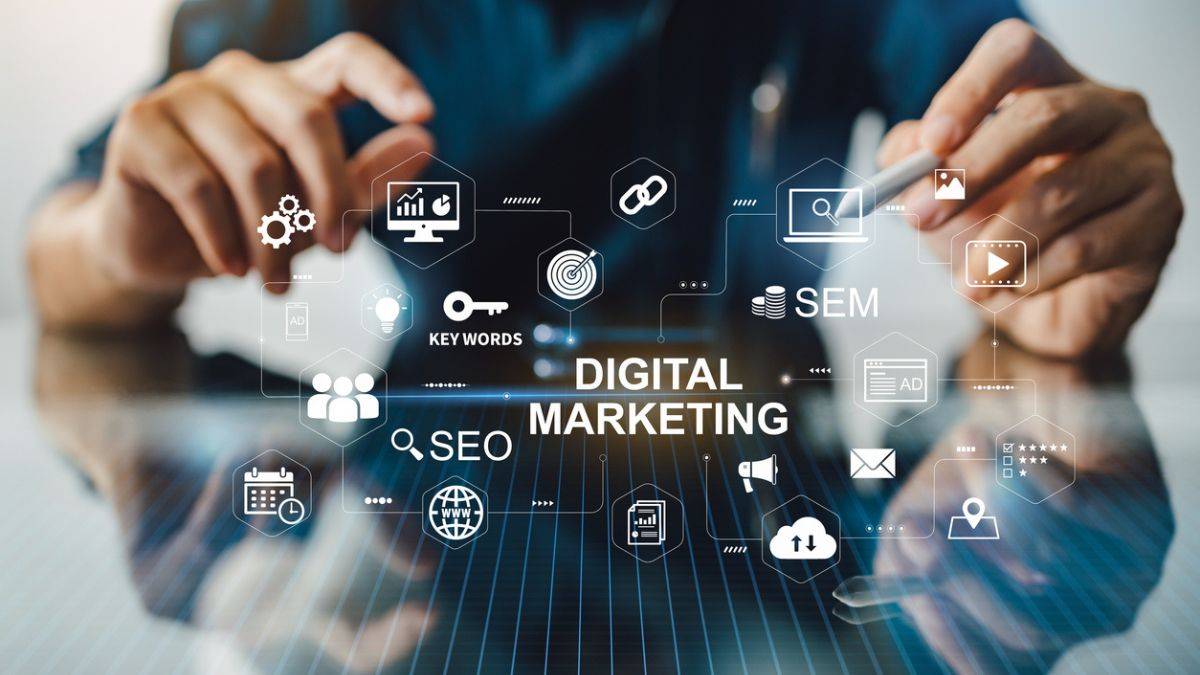
Digital marketing refers to the use of online channels, platforms, and technologies to promote products, services, or brands to a targeted audience. It includes a wide range of strategies such as search engine optimization (SEO), social media marketing, email marketing, content marketing, and paid advertising.
Unlike traditional marketing methods like television, radio, or print, digital marketing allows businesses to reach their audience in real time and measure the effectiveness of their campaigns. This data-driven approach is one of the key reasons digital marketing has become the dominant form of marketing globally.
At its core, digital marketing focuses on connecting with customers where they spend most of their time, online. With the increasing use of smartphones and internet access, especially in regions like London and across Africa, digital marketing has become essential for businesses of all sizes.
One of the biggest advantages of digital marketing is targeting. Businesses can tailor their campaigns to specific demographics, locations, interests, and behaviors. For example, a brand in Vegas can target users within a specific radius, ensuring their ads reach the right audience.
Another key benefit is cost-effectiveness. Small businesses can compete with larger companies by leveraging organic strategies like SEO and content marketing, or by running targeted ads with controlled budgets.
Digital marketing also emphasizes engagement. Through social media platforms, email campaigns, and interactive content, businesses can build relationships with their audience, fostering trust and loyalty over time.
What Are the Marketing Trends?
Marketing trends refer to the evolving strategies, technologies, and consumer behaviors that influence how businesses promote their products and services. Staying updated with these trends is crucial because they determine what works, what doesn’t, and where opportunities lie.
One of the most significant marketing trends today is personalization. Consumers expect brands to deliver tailored experiences based on their preferences and behavior. Personalized emails, product recommendations, and targeted ads are now standard practices.
Another major trend is the dominance of video content. Short-form videos, live streaming, and interactive video content are becoming the most engaging forms of media. Platforms like TikTok and Instagram have driven this shift, making video a central part of marketing strategies.
Voice search is also gaining traction, with more people using voice assistants to search for information. This has led to the rise of conversational SEO, where content is optimized for natural language queries.
Social commerce is another growing trend. Consumers can now discover and purchase products directly within social media platforms, reducing the steps between discovery and purchase.
Data privacy and transparency have also become critical. With increasing concerns about data security, businesses must ensure they handle customer data responsibly and comply with regulations.
Additionally, influencer marketing continues to grow, with brands partnering with creators to reach niche audiences authentically. Micro-influencers, in particular, are gaining popularity due to their higher engagement rates.
Recent Trends in Marketing With Examples

To truly understand marketing trends, it is important to see how they are applied in real-world scenarios. Below are some of the most impactful recent trends, along with practical examples.
1. Personalization in Marketing
Brands are using data to deliver highly personalized experiences. For example, e-commerce platforms recommend products based on previous purchases and browsing behavior. This increases conversion rates and customer satisfaction.
2. Short-Form Video Content
Short videos have become one of the most effective ways to capture attention. A fashion brand might create 15-second styling videos showcasing its latest collections. These videos are engaging, easy to consume, and highly shareable.
3. Influencer Marketing
Brands collaborate with influencers to promote their products. For instance, a skincare company may partner with a beauty influencer to review their products. This builds trust and credibility among the influencer’s audience.
4. Social Commerce
Businesses are selling products directly on social media platforms. A user can see a product on Instagram, click on it, and make a purchase without leaving the app. This seamless experience boosts sales and convenience.
5. Interactive Content
Quizzes, polls, and interactive posts are becoming more popular. These formats encourage user participation and increase engagement.
6. Omnichannel Marketing
Businesses are creating consistent experiences across multiple channels, including websites, social media, email, and physical stores. This ensures a seamless customer journey.
Key Insights from These Examples
These trends highlight a shift towards customer-centric marketing. Businesses are focusing on delivering value, building relationships, and creating engaging experiences.
The common factors behind successful campaigns include:
- Understanding the audience
- Using data to inform decisions
- Leveraging the right platforms
- Continuously testing and optimizing
By adopting these trends, businesses can stay relevant and competitive in a rapidly changing market.
Digital Marketing Artificial Intelligence
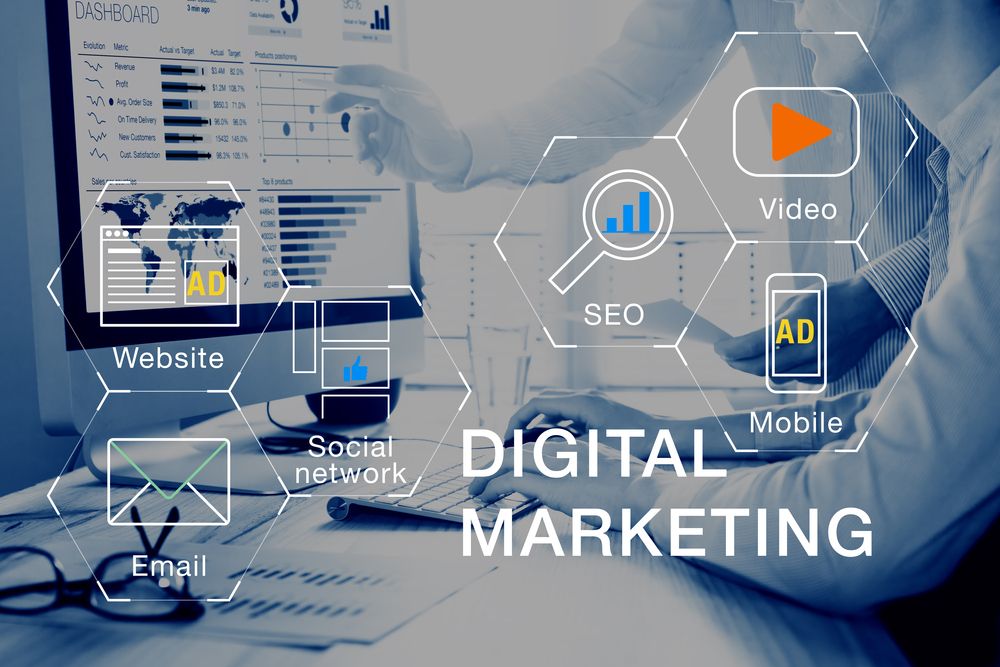
Artificial intelligence (AI) is revolutionizing digital marketing by enabling smarter, faster, and more efficient strategies. It allows businesses to analyze vast amounts of data, automate tasks, and deliver personalized experiences at scale.
One of the most significant applications of AI in marketing is data analysis. AI tools can process large datasets to identify patterns, trends, and insights that would be difficult for humans to detect. This helps marketers make informed decisions and optimize their campaigns.
AI is also transforming customer experience through chatbots and virtual assistants. These tools provide instant responses to customer inquiries, improving engagement and satisfaction. Many businesses now use AI-powered chatbots on their websites and social media platforms.
Personalization is another area where AI excels. By analyzing user behavior, AI can deliver tailored content, product recommendations, and ads. This increases the likelihood of conversions and enhances customer loyalty.
Predictive analytics is another powerful application. AI can forecast customer behavior, such as which products a user is likely to buy or when they are most likely to make a purchase. This allows businesses to target their audience more effectively.
Content creation is also being influenced by AI. Tools like ChatGPT and Jasper AI help marketers generate ideas, write content, and optimize copy for SEO.
Advertising has also become more efficient with AI. Platforms like Google Ads use machine learning to optimize ad placements, targeting, and bidding strategies.
Benefits of AI in Digital Marketing
- Improved efficiency through automation
- Enhanced personalization
- Better data-driven decision-making
- Increased ROI
Challenges to Consider
While AI offers many benefits, it also comes with challenges such as data privacy concerns, implementation costs, and the need for skilled professionals.
Overall, AI is not replacing marketers; it is empowering them. Those who learn how to leverage AI effectively will have a significant advantage in the digital marketing landscape.
In conclusion, marketing trends are constantly evolving, driven by technology, consumer behavior, and innovation. From understanding digital marketing fundamentals to exploring emerging trends and the impact of artificial intelligence, it is clear that adaptability is key to success.
FAQs Marketing Trends
1. Why Are Marketing Trends Important?
Marketing trends help businesses stay relevant and competitive. By understanding what consumers want and how technology is evolving, businesses can create effective strategies that drive results.
2. What is The Biggest Marketing Trend in 2026?
Artificial intelligence and personalization are among the biggest trends. They enable businesses to deliver tailored experiences and optimize campaigns efficiently.
3. How Can Small Businesses Use Marketing Trends?
Small businesses can adopt trends like social media marketing, content creation, and AI tools to compete with larger companies. These strategies are cost-effective and scalable.
4. Is Digital Marketing Still Growing?
Yes, digital marketing continues to grow as more businesses move online and consumers rely on digital platforms for information and shopping.
5. How Do I Stay Updated With Marketing Trends?
Follow industry blogs, take online courses, read books, and experiment with new tools and strategies to stay ahead in the field.
Related Posts:
AI Trust: Can We Trust Artificial Intelligence in (2026)
How to Audit Your AI Marketing for Trust Issues
How Modern AI Chatbots Actually Generate Answers