Personal Brand vs Professional Brand: Building with AI
Artificial intelligence is reshaping how people discover businesses, evaluate expertise, and build trust. Today, visibility no longer depends solely on advertising budgets or corporate reach. Individuals can become influential voices, and companies can build communities around values and experiences.

This shift has made one question increasingly important: should you focus on building a personal brand or a professional business brand?
Although the two concepts overlap in many ways, they are not identical. Each serves a different purpose, grows differently, and creates distinct opportunities.
Understanding the difference is essential for entrepreneurs, professionals, creators, executives, and business owners who want to remain competitive in an AI-powered marketplace.
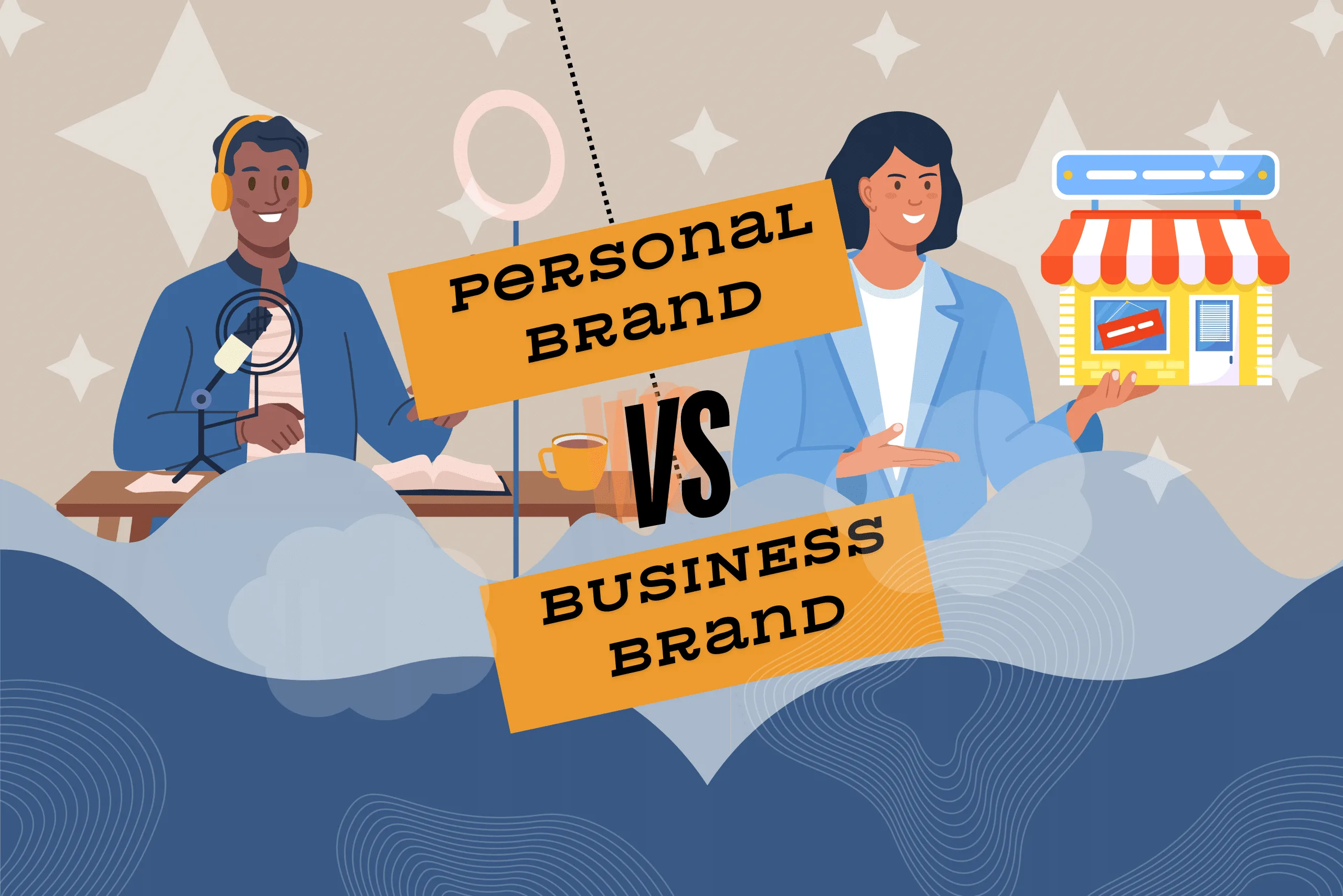
Personal Brand vs Professional Brand
A personal brand is centered on an individual. It reflects how people perceive your expertise, values, communication style, reputation, and identity.
A professional or business brand, on the other hand, represents an organization. It is built around a company’s mission, customer experience, products, culture, and market positioning.
In simple terms:
A personal brand answers:
“Why should people trust you?”
“Why should people choose your company?”
AI has accelerated both paths by increasing content creation, expanding digital reach, and intensifying competition. As a result, building either type of brand now requires greater clarity and stronger differentiation.
What Is a Professional Brand?
A professional brand, often called a business brand, is the collective identity of a company.
It shapes how customers, employees, partners, and the market perceive the business.
A strong professional brand extends far beyond logos and design. It creates emotional association and strategic positioning.
Core elements usually include:
| Element | Description | Example |
| Mission | The purpose and long-term direction of the company. | Tesla focuses on accelerating sustainable energy adoption. |
| Values | Principles that influence decisions and customer relationships. | Patagonia emphasizes environmental responsibility. |
| Unique Value Proposition | The distinct value customers receive. | Apple is widely associated with simplicity and product experience. |
| Visual Identity | Logos, typography, color systems, and design standards. | The Coca-Cola Company maintains one of the world’s most recognizable identities. |
Business branding becomes increasingly valuable in an AI-driven environment because customers now interact with brands across websites, search engines, AI assistants, marketplaces, and social platforms simultaneously. Consistency matters more than ever.
Benefits of Building a Professional Brand in the AI Era
A strong professional brand creates recognition that extends beyond products.
1. Increased Awareness: Strong branding improves discoverability and makes businesses easier to remember in crowded markets.
As AI systems summarize and recommend information, recognizable brands often receive stronger visibility.
2. Stronger Trust and Loyalty: People buy repeatedly from brands they trust. Trust develops when experiences consistently align with expectations.
3. Competitive Differentiation: Products become easier to copy. Identity becomes harder to replicate. Professional branding helps businesses communicate why they exist beyond pricing or features.
4. Scalable Growth: Businesses with established brands can expand more easily into new products, markets, and partnerships.
What Is a Personal Brand?
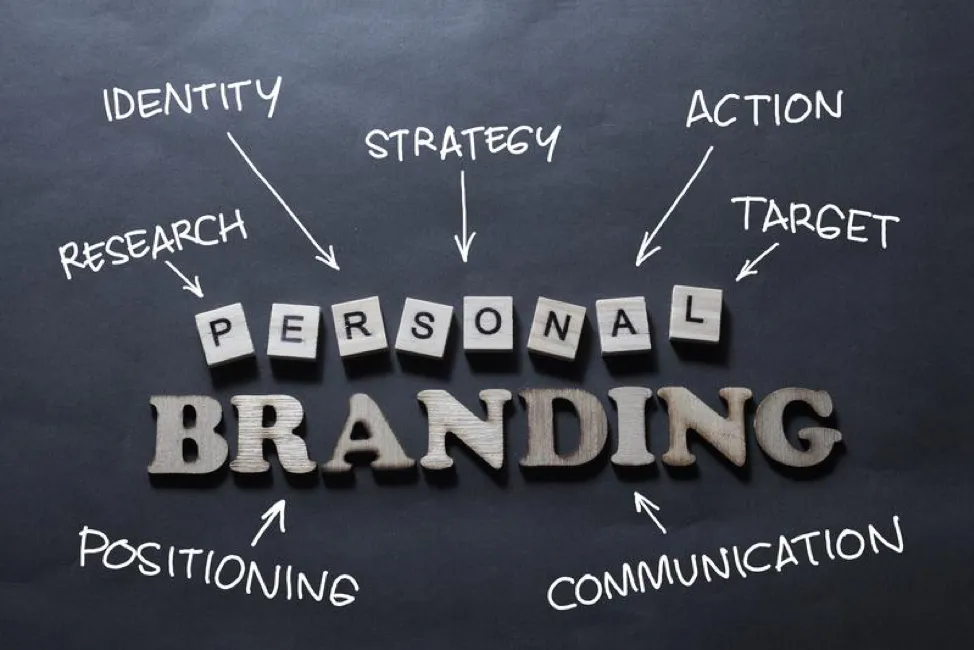
A personal brand is the intentional shaping of how others perceive you.
It combines your experiences, expertise, values, communication style, and public presence into a recognizable identity.
Unlike a company brand, a personal brand is deeply connected to reputation. Your personal brand exists whether you actively build it or not.
Your online presence, conversations, published work, and professional interactions all contribute to it. Personal branding has become increasingly influential because audiences often trust people before they trust institutions.
Its foundation usually includes:
| Element | Description | Example |
| Personal Mission | Your larger purpose or contribution. | Simon Sinek focuses on helping people discover purpose. |
| Values | Principles guiding decisions and communication. | Oprah Winfrey emphasizes growth and authenticity. |
| Voice | Your recognizable communication style. | Gary Vaynerchuk is known for direct communication. |
| Visual Style | Consistent presentation across platforms. | Kim Kardashian maintains a highly recognizable visual identity. |
In an AI era where content can be generated instantly, identity becomes increasingly valuable.
People often follow people before they follow companies.
Benefits of Building a Personal Brand with AI
Personal branding creates opportunities that go far beyond visibility.
1. Trust and Credibility: People are more likely to engage with professionals who consistently demonstrate expertise and authenticity.
2. Authority and Recognition: Strong personal brands create an association with particular ideas or industries. For example, professionals become known for marketing, leadership, design, technology, or strategy.
3. Career Advancement: A visible personal brand can increase opportunities for speaking engagements, consulting work, promotions, and partnerships.
4. Greater Flexibility: Unlike business brands, personal brands move with you. Your reputation remains valuable even if you change companies or industries.
How AI Is Changing Both Personal and Professional Branding
Artificial intelligence is influencing branding in two major ways.
First, it has lowered the barrier to content creation. Businesses and individuals can produce more content with fewer resources.
Second, it has raised the value of originality. Since AI can generate information quickly, people increasingly seek unique viewpoints, experiences, and trust signals.
Professional brands are using AI to improve customer experiences, automate communication, and analyze audience behavior. Personal brands are using AI to enhance productivity, organize ideas, and expand reach.
The key difference is this:
- Professional brands scale systems.
- Personal brands scale trust.
How AI Can Help in Personal Branding
There is a growing fear that artificial intelligence will replace human creativity in personal branding. However, that idea misses the real picture.
AI is not here to replace your identity, voice, or lived experiences. Instead, it works as a powerful assistant that helps you build and manage your personal brand more efficiently.
Think of AI as a support system that removes repetitive work, speeds up content creation, and helps you stay consistent, while still keeping your personality at the center of everything you share.
Personal branding is still deeply human. AI simply helps you express that humanity at scale. As one way of understanding it: AI does not replace vulnerability or originality.
It enhances productivity, sharpens strategy, and allows you to focus more on connection rather than constant content pressure.
Top AI Use Cases to Build Your Personal Brand
AI is now deeply integrated into modern branding workflows. From content creation to audience targeting and performance tracking, it provides tools that help individuals build stronger, more visible, and more consistent personal brands.
Instead of replacing your voice, AI helps refine it, distribute it, and optimize it.
1. Enhancing Content Creation
Content creation is one of the biggest challenges in personal branding because it demands consistency, creativity, and time. AI tools now help remove that barrier by making the process faster and more structured.
With technologies like natural language processing and machine learning, AI can help generate blog ideas, draft social media posts, refine tone, and even suggest content strategies based on audience behavior.
Instead of struggling to start from a blank page, you can use AI to brainstorm ideas, outline your thoughts, and then shape them into your own voice.
However, one important concern is that AI-generated content can sometimes feel generic or robotic. This is where human refinement becomes essential. AI should support expression, not replace personality.
Many creators now use AI tools to clean up grammar, improve clarity, and adjust tone while still preserving authenticity.
More advanced systems can even help align content with SEO strategy, ensuring that your personal brand becomes more discoverable across search engines and AI-driven platforms.
The most effective approach is simple: AI generates structure, and you inject personality.
2. Managing Social Media Effectively
Social media is one of the most important pillars of personal branding today, but it is also one of the most time-consuming. AI tools help simplify this process by improving planning, scheduling, and performance analysis.
Instead of guessing what to post and when, AI tools analyze engagement patterns and recommend optimal posting times, content formats, and even topic ideas.
They also help you track what resonates most with your audience, allowing you to adjust your strategy based on real data rather than assumptions.
In addition, AI can assist in creating content calendars, automating repetitive posting tasks, and suggesting improvements to increase engagement.
The result is a more intentional and data-informed social media presence that still feels human and relatable.
3. Choosing and Strengthening Your Anchor Platform
Every strong personal brand needs a primary platform where its influence is strongest. This could be LinkedIn, a blog, a YouTube channel, a podcast, or even Instagram.
AI helps you identify which platform performs best by analyzing engagement, audience behavior, and content performance.
Once your strongest platform is identified, AI can also help repurpose content across other channels. For example, a podcast episode can be transformed into blog posts, short social clips, and quote graphics without needing to recreate everything manually.
This ensures consistency while expanding reach across multiple platforms.
By maintaining a unified message across all channels, you strengthen your personal brand identity and make it easier for people to recognize your voice regardless of where they encounter your content.
4. Creating Your Personal Website
A personal website acts as your digital headquarters. It is where your audience can learn more about you, your work, and your expertise in a structured way.
AI now makes website creation significantly easier, especially for individuals without technical or design experience.
Modern website builders use AI to suggest layouts, generate content sections, improve basic SEO structure, and even assist with branding decisions.
Some tools also help create simple code features or design adjustments without requiring programming knowledge.
While AI cannot replace a thoughtful branding strategy, it can remove the technical barriers that often delay people from launching their online presence.
The result is faster execution and a more professional-looking personal brand platform.
5. Optimizing Visual Identity
Visual identity plays a major role in how people perceive your personal brand. This includes your profile images, color choices, design style, video content, and overall aesthetic consistency.
AI-powered design tools now help individuals create high-quality visuals without needing advanced design skills.
These tools can generate logos, social media graphics, thumbnails, and even video content that aligns with your brand identity.
They also analyze design trends and suggest combinations of colors, fonts, and layouts that match your tone and audience preferences.
This makes it easier to maintain a consistent and professional visual presence across platforms.
In a digital world where first impressions matter, visual consistency strengthens recognition and trust.
6. Understanding and Targeting Your Audience
A successful personal brand is built on understanding the right audience, not just reaching a large one.
AI helps analyze audience data such as interests, behavior patterns, engagement habits, and content preferences. This allows you to create more targeted and relevant content.
For example, if your audience engages more with educational content or industry insights, AI can highlight this trend so you can focus your efforts in that direction.
Instead of guessing what your audience wants, you can use data-driven insights to guide your messaging.
This leads to stronger engagement, deeper trust, and more meaningful connections.
7. Strengthening Personal Brand Security
As personal brands grow online, they become more exposed to digital risks such as hacking attempts, identity theft, and phishing attacks.
AI plays an important role in enhancing cybersecurity by detecting unusual activity, identifying suspicious behavior, and preventing potential breaches before they happen.
It can also monitor accounts for unauthorized access and alert you in real time when something looks abnormal.
For individuals building public-facing brands, protecting digital identity is essential. A strong brand is not only about visibility but also about safety and trust.
AI helps provide that extra layer of protection, especially as online presence expands across multiple platforms.
Powerful AI Tools for Building Your Personal Brand
Building a personal brand today is no longer just about posting content consistently. It’s about using AI strategically to speed up execution, improve quality, and maintain a strong, recognizable identity across platforms.
The goal isn’t to replace your voice, but to amplify it with smarter systems and tools that help you show up better and more often.
Below are some powerful AI tools that can help you structure, scale, and strengthen your personal brand in a competitive digital environment.
1. MySignature

Purpose: Strengthen professional identity through consistent email branding.
Email is often overlooked in personal branding, yet it is one of the most direct ways people experience your professionalism.
MySignature helps you create polished, consistent email signatures that reinforce your personal or professional identity across every message you send.
Instead of manually designing signatures or worrying about formatting, AI helps you generate clean, branded layouts in minutes.
This consistency matters because even small details, like how your email looks, shape how people perceive your credibility, authority, and attention to detail.
2. Content Toolkit (SEO + AI Writing Support)
Purpose: Build authority through optimized, high-performing content.
Creating content that ranks and resonates requires more than writing skills; it requires strategy.
Content Toolkit combines AI writing assistance with SEO intelligence to help you produce content that aligns with what your audience is actually searching for.
Instead of guessing topics, you can use AI-driven insights to identify opportunities, structure articles, and refine your messaging.
It also helps you maintain consistency in tone, ensuring that everything you publish strengthens your personal brand rather than diluting it.
3. Brand24
Purpose: Protect and grow your online reputation.
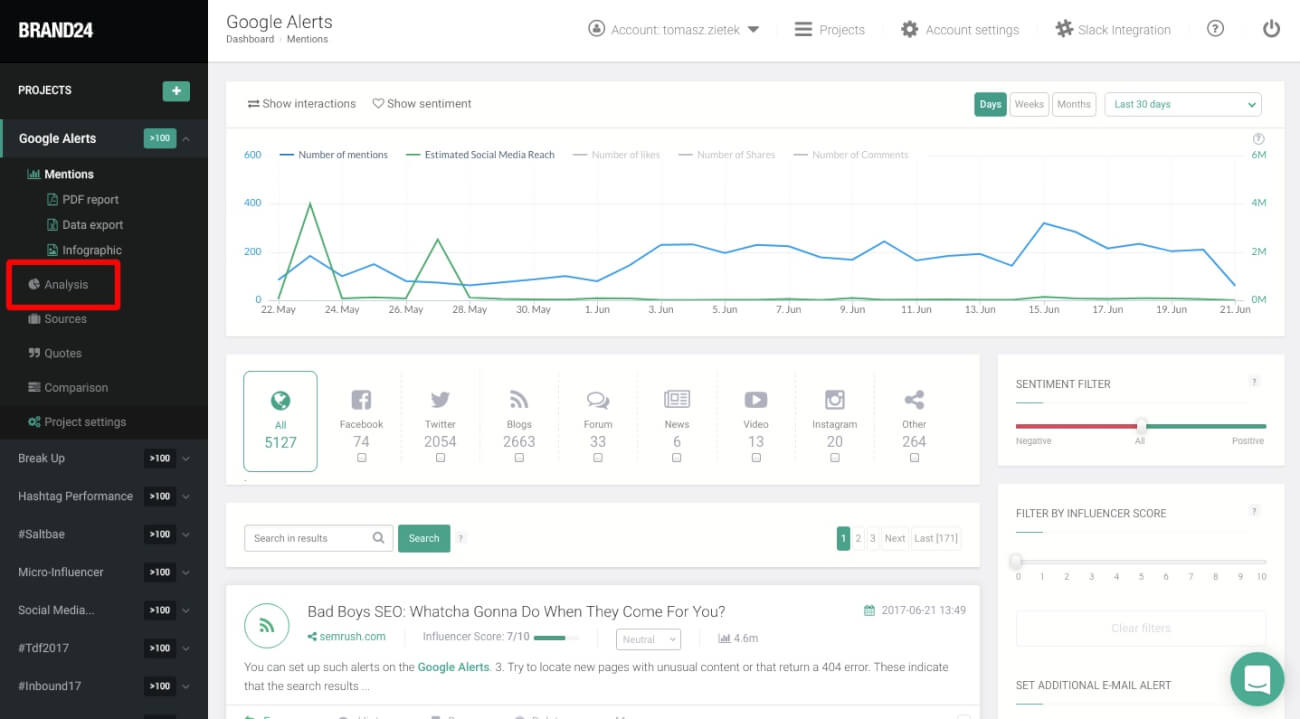
Your personal brand doesn’t live only on your page, it lives in conversations happening across the internet. Brand24 helps you track mentions of your name or brand across social media, blogs, news sites, and forums.
It goes beyond monitoring by analyzing sentiment, showing you whether people are responding positively or negatively to your content and presence.
This allows you to respond quickly, adjust your messaging, and stay ahead of potential reputation risks before they escalate.
Tips for Using AI Effectively in Personal Branding

AI can significantly improve how you build your personal brand, but only if you use it with intention. The real advantage comes from combining AI efficiency with human judgment.
1. Treat AI Like a Creative Assistant, Not a Replacement
AI works best when it has structure. Instead of asking for generic output, guide it with clear direction about tone, audience, and purpose.
For example, define your voice as “professional but conversational” or “bold and opinionated with storytelling elements.”
The more context you provide, the more aligned the output becomes with your brand identity. Without that direction, AI will default to generic content that weakens your differentiation.
2. Use AI for Speed, Not Final Decisions
One of the biggest mistakes in AI-driven branding is over-reliance. AI can generate ideas, drafts, and frameworks, but it cannot fully understand your lived experience, credibility, or long-term positioning.
Use it to accelerate your workflow, not to replace your thinking. The final message should always pass through your personal filter of relevance, accuracy, and alignment with your brand goals.
3. Don’t Trade Credibility for Convenience
AI makes content creation fast, but speed can become a risk if it replaces quality control. Before publishing anything, ask yourself:
- Does this reflect my real expertise and perspective?
- Is this accurate, or just well-written but shallow?
- Would my audience trust this if they knew it was fully AI-generated?
Strong personal brands are built on trust. That trust comes from clarity, originality, and consistency, not volume alone. Every AI-assisted output should be refined until it sounds like you, not like a machine.
Should You Build a Personal Brand or a Professional Brand?
The answer depends on your goals. If your objective is building a company that grows independently of you, invest heavily in a professional brand.
If your goal is to become recognized for your expertise, influence, or leadership, invest in personal branding. For many modern founders and professionals, the strongest approach combines both.
A company gains visibility. The founder builds trust. Together, they strengthen one another.
Strategies for Building a Personal Brand

Building a strong personal brand in today’s digital world is no longer optional for professionals who want visibility, trust, and long-term career growth.
It is how people perceive your expertise, values, and identity across both online and offline spaces. A well-built personal brand helps you stand out in a crowded industry and positions you as a credible voice in your field.
1. Define Your Unique Value Proposition
A strong personal brand begins with clarity about what makes you different. Your unique value proposition is the foundation of how you position yourself in the minds of others.
This requires a deep understanding of your strengths, experiences, passions, and the specific value you bring to your audience or industry. Instead of trying to appeal to everyone, focus on what you do best and what you want to be known for.
When your message is clear, people can immediately associate you with a skill, idea, or area of expertise. This consistency builds recognition and trust over time.
2. Leverage Social Media
Social media has become one of the most powerful tools for personal branding because it allows direct access to an audience at scale. It is where visibility, engagement, and influence are built daily.
The key is not just being present, but being intentional. Posting consistently, sharing valuable insights, and engaging meaningfully with your audience are essential for growth.
Platforms like LinkedIn are especially powerful for professionals looking to share expertise, industry insights, and career achievements. It helps you connect with peers, recruiters, and industry leaders.
On the other hand, platforms like Instagram or TikTok can highlight personality, creativity, and lifestyle, making your brand feel more human and relatable.
The strongest personal brands often combine both professional depth and personal expression.
3. Create Consistent Content
Consistency is one of the most important pillars of personal branding. Your audience needs repeated exposure to your ideas, voice, and perspective before they begin to recognize and trust you.
Creating consistent content means aligning everything you publish with your values, expertise, and long-term positioning. This could include blog articles, videos, podcasts, newsletters, or social media posts.
Over time, this consistency builds familiarity. People begin to associate certain topics, opinions, or explanations with you specifically. That recognition is what turns content into authority.
For example, creators who maintain a steady publishing rhythm often grow faster because they remain visible in their audience’s daily digital environment. What matters is not perfection, but consistency and relevance.
4. Network and Collaborate
No personal brand grows in isolation. Relationships play a critical role in expanding reach, credibility, and opportunities.
Networking allows you to connect with others in your industry, exchange ideas, and stay informed about trends. Collaboration takes this further by exposing your brand to new audiences.
This can include guest writing for established platforms, participating in industry discussions, speaking at events, or collaborating with other professionals and influencers. These interactions not only increase visibility but also strengthen authority through association.
Over time, your network becomes an extension of your personal brand.
Strategies for Building a Business Brand
Unlike personal branding, which focuses on individuals, business branding focuses on building a recognizable and trusted identity for an organization.
It represents what the company stands for, how it operates, and the value it delivers to customers.
1. Cement Your Brand Identity
A strong business brand starts with a clear and consistent identity. This includes visual elements like logos, colors, typography, and design style, as well as emotional and strategic elements like tone and positioning.
However, design alone is not enough. A brand identity must reflect the company’s mission, values, and market promise. When all these elements align, the brand becomes instantly recognizable and trustworthy.
2. Develop a Clear Brand Message
A business must clearly communicate what it does, who it serves, and why it matters. This is where brand messaging becomes critical.
A strong message is simple, consistent, and easy to understand. It should be reflected across websites, advertisements, social platforms, and customer interactions.
When messaging is consistent, customers develop a stronger sense of trust and clarity about the brand’s purpose.
3. Invest in Marketing and Advertising
Even the strongest brand needs visibility. Marketing and advertising ensure that the brand reaches the right audience at the right time.
Modern strategies include search engine optimization, content marketing, social media campaigns, and paid advertising. Depending on the industry, traditional methods such as print media or event sponsorships may also play a role.
The goal is not just exposure, but sustained brand awareness that translates into customer engagement and sales.
4. Focus on Customer Experience
Customer experience has become one of the most powerful drivers of brand perception. A positive experience builds loyalty, while a negative one can quickly damage reputation.
Every interaction matters, from product quality to customer service and after-sales support. Businesses that prioritize customer satisfaction often benefit from repeat purchases, referrals, and long-term loyalty.
A strong brand is ultimately built on how customers feel after engaging with it.
Challenges in Personal and Business Branding
Here are some of the challenges in personal and business branding:
1. Personal Branding Challenges
One of the biggest challenges in personal branding is overexposure. Sharing too much personal information can create privacy concerns and make individuals feel vulnerable.
Another common issue is inconsistency. When messaging, tone, or behavior changes frequently, it confuses the audience and weakens brand identity.
Negative behavior also plays a major role. Actions online or offline can significantly damage a reputation, especially in a digital environment where content spreads quickly and permanently.
Maintaining discipline, clarity, and professionalism is essential for long-term success.
2. Business Branding Challenges
For businesses, staying relevant in a competitive market is a continuous challenge. Industries evolve quickly, and brands must adapt to remain visible and valuable.
Consistency across all channels is another major challenge. Any inconsistency in messaging, visuals, or customer experience can weaken trust and brand perception.
Businesses must also continuously adapt to changing customer expectations and market trends. This requires ongoing innovation, research, and strategic planning to remain competitive.
Measuring Your Branding Success
1. Personal Brand Metrics
The success of a personal brand can be measured through engagement. This includes likes, comments, shares, and follower growth across platforms.
Recognition is another important indicator. This includes mentions in industry publications, invitations to speak at events, or recognition through awards and professional achievements.
Opportunities also reflect strong branding. These include job offers, client inquiries, partnership requests, and collaborations that arise because of your visibility and credibility.
2. Business Brand Metrics
For businesses, brand awareness remains a key indicator of success. This can be measured through surveys, audience reach, and recognition within target markets.
Customer loyalty is equally important. Metrics such as repeat purchase rates, customer satisfaction scores, and Net Promoter Score (NPS) help determine how well the brand retains customers.
Market share also reflects brand strength. By analyzing sales performance relative to competitors, businesses can understand their position and identify opportunities for growth.
Related Searches: