Modern Local SEO & AI Visibility: How To Get Clients Into AI Results

The local search landscape is experiencing one of its biggest transformations since the introduction of Google Business Profiles.
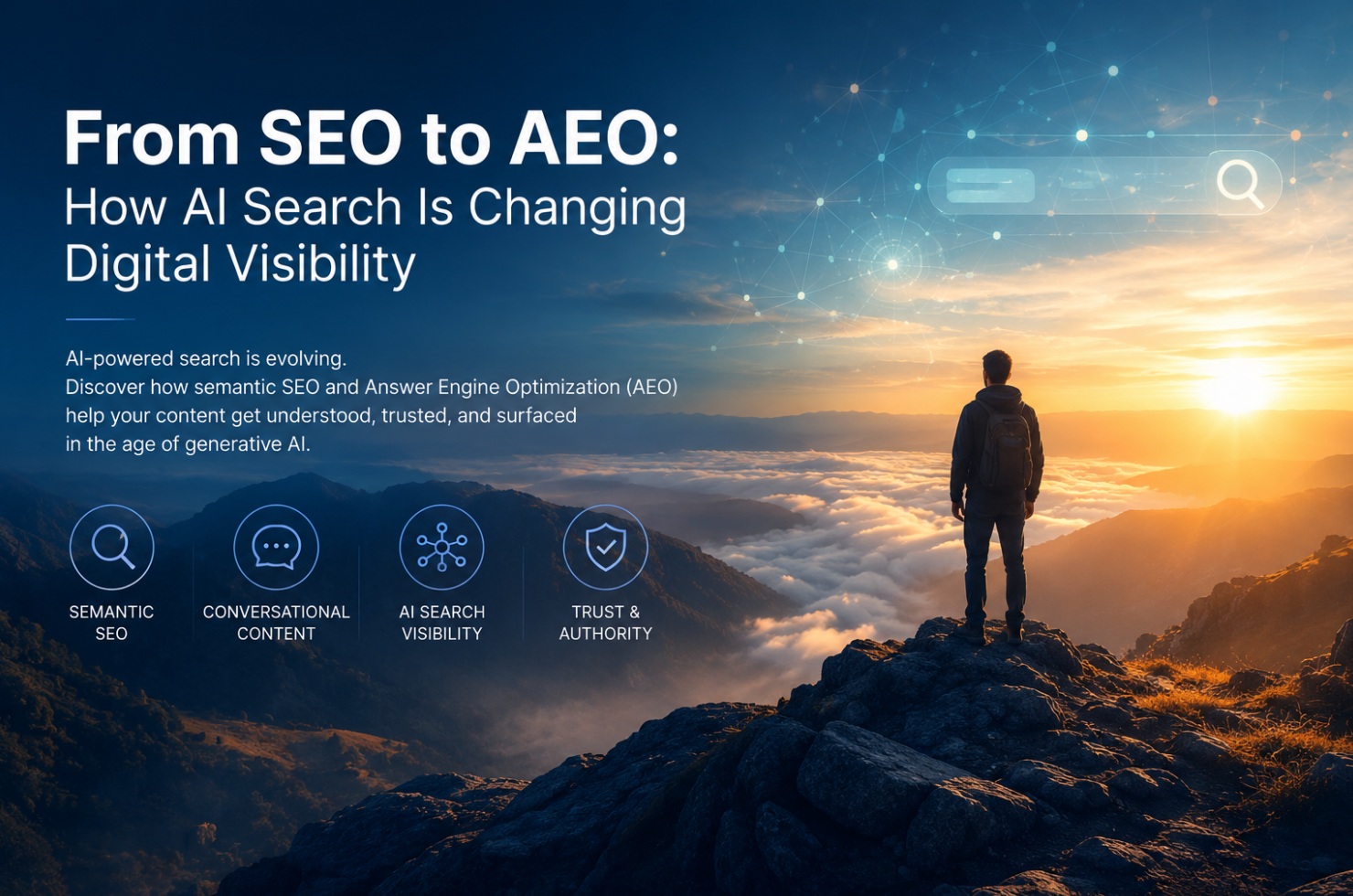
For years, businesses focused on ranking in Google's local pack, optimizing their websites for local keywords, and collecting customer reviews. While those tactics remain important, a new challenge has emerged: gaining visibility within AI-generated recommendations.
Today, consumers are increasingly turning to AI-powered platforms such as ChatGPT, Google AI Mode, Gemini, Perplexity, and Grok to discover local businesses. Instead of scrolling through pages of search results, users ask conversational questions and expect immediate recommendations.
As a result, businesses must rethink their local SEO strategies to ensure they remain visible in this rapidly evolving environment.
The question is no longer simply whether your business ranks on Google. The question is whether artificial intelligence considers your business trustworthy enough to recommend.
Why Some Local Businesses Appear in AI Results While Others Don't
Many business owners are surprised to discover that a competitor with lower search rankings may appear more frequently in AI-generated recommendations. This happens because AI systems evaluate a much broader set of signals than traditional search engines.
While conventional local SEO largely focuses on website optimization, backlinks, and Google Business Profile performance, AI systems assess trust signals across the entire web.
Reviews, customer interactions, social mentions, forum discussions, directory listings, local citations, business responses, and brand mentions all contribute to how AI evaluates a business.
AI models are designed to identify patterns of authority and relevance. Businesses that consistently generate conversations, reviews, recommendations, and mentions across multiple platforms often gain greater visibility than competitors who focus solely on ranking for keywords.
In other words, AI rewards businesses that are actively discussed, referenced, and trusted across the digital ecosystem.
How AI Is Transforming Local Search

Google's introduction of AI Overviews has fundamentally altered the search experience for local consumers. Instead of presenting only a list of businesses, Google increasingly generates detailed summaries that combine information from multiple sources.
When someone searches for a local service or asks a location-based question, AI may pull information from business websites, customer reviews, online forums, local directories, social platforms, and authoritative publishers.
The resulting answer often appears before traditional search results, influencing user decisions before they ever visit a website.
This creates both opportunities and risks. On one hand, businesses with strong digital footprints can earn visibility from sources beyond their own websites. On the other hand, businesses lose some control over how information is presented. AI-generated responses may summarize incomplete information or, in some cases, produce inaccurate conclusions.
For local businesses, maintaining accurate and consistent information across the web has never been more important.
The Challenge of AI Hallucinations
One of the biggest concerns surrounding AI-powered search is the issue commonly referred to as hallucinations. This occurs when AI systems generate information that appears credible but is inaccurate or unsupported by actual evidence.
For local businesses, the consequences can be significant. An AI-generated response may incorrectly describe a company's services, operating hours, reputation, or customer experience. Because many users trust AI-generated answers without verifying sources, even minor inaccuracies can influence purchasing decisions.
Research shows that consumers increasingly rely on AI-generated recommendations when selecting local businesses. Unfortunately, many users do not thoroughly fact-check these responses. This makes proactive reputation management essential for brands hoping to protect their online visibility.
The best defense against AI misinformation is a strong and consistent digital presence. The more authoritative information available about your business, the less likely AI systems are to rely on weak or inaccurate sources.
Why Local Packs Still Matter
Despite the rise of AI-generated search experiences, Google's local packs remain one of the most influential features in local search.
Local packs provide consumers with essential information at a glance, including business names, ratings, locations, operating hours, and directions. This streamlined experience continues to be highly effective because users can quickly compare nearby options without navigating multiple websites.
Google Business Profiles remain the foundation of local pack visibility. Businesses that actively manage their profiles, update information regularly, publish content, and respond to reviews continue to gain advantages in local search performance.
Interestingly, many AI systems now draw information directly from these local search ecosystems. This means that optimizing for traditional local SEO often contributes to AI visibility as well.
Rather than replacing local SEO, AI is building upon it.
How Large Language Models Influence Local Discovery
The rise of large language models has expanded the number of platforms businesses must monitor. Consumers now discover local businesses through tools that were never originally designed as search engines.
Platforms such as ChatGPT, Gemini, Perplexity, Google AI Mode, and Grok are increasingly being used to answer local business questions. However, the quality of recommendations varies significantly between platforms.
Unlike traditional search engines that rely on structured local databases, many AI tools still struggle with maps, location accuracy, and real-time business information. Some platforms provide excellent recommendations, while others generate incomplete or inconsistent results.
Nevertheless, these platforms continue to attract millions of users. Businesses that ignore them risk losing visibility among audiences that increasingly prefer conversational search experiences.
How to Measure AI Visibility for Local Businesses
Tracking AI visibility requires a broader measurement strategy than traditional SEO. Monitoring organic traffic remains important because it reveals whether AI-powered search features are reducing website visits.
Changes in impressions, clicks, rankings, sessions, and conversions can help identify the impact of evolving search behaviors.
Google Search Console remains valuable for tracking search visibility, while Google Analytics provides insight into user engagement and conversions. Businesses should also ensure that UTM parameters are correctly configured within Google Business Profiles to improve attribution accuracy.
Beyond traditional analytics, marketers should begin monitoring how often their brands appear within AI-generated responses. Specialized tools now allow businesses to evaluate visibility across platforms such as ChatGPT, Gemini, Perplexity, and Google AI Mode.
Understanding where and how your business appears in AI-generated recommendations is becoming just as important as monitoring traditional keyword rankings.
The Growing Importance of Digital PR
One of the most overlooked aspects of AI visibility is digital public relations. AI systems frequently reference discussions and content from websites such as Reddit, Quora, Medium, LinkedIn, industry publications, and news platforms. These sources often influence AI recommendations more than many business owners realize.
This means that brand visibility can no longer depend solely on website content and local directory listings. Businesses should actively pursue media mentions, guest articles, expert commentary opportunities, and community engagement.
Every credible mention of your business strengthens your digital authority and increases the likelihood that AI systems will view your brand as trustworthy.
The future of local SEO extends far beyond search rankings. It now includes building a strong presence across the wider digital ecosystem where AI gathers information.
10 Local SEO Strategies to Increase Your Visibility in AI Mode
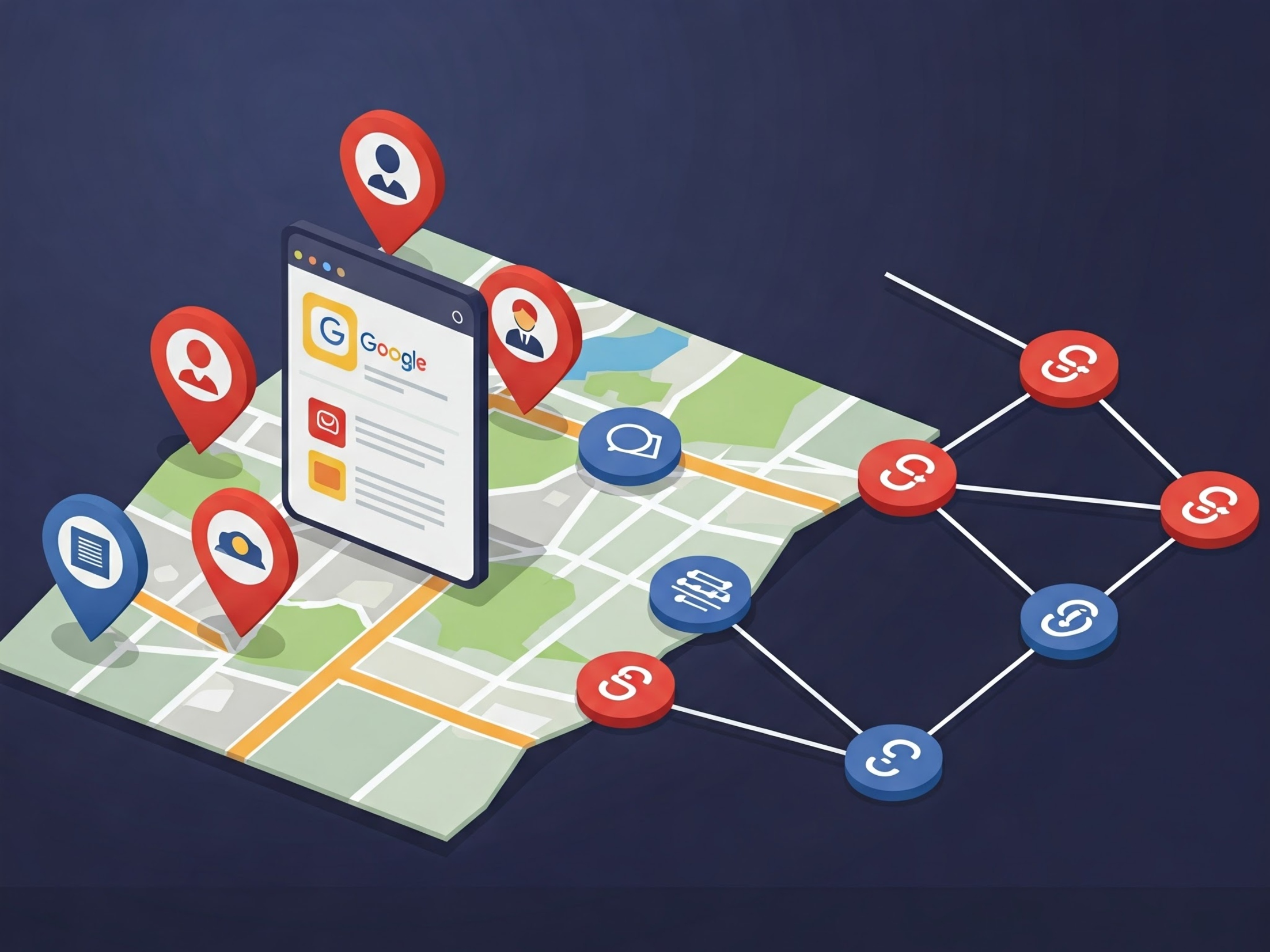
The rise of AI-powered search is reshaping how consumers discover local businesses. Instead of simply typing keywords into a search engine, users are increasingly asking conversational questions through platforms like ChatGPT, Google AI Mode, Gemini, Perplexity, and Microsoft Copilot.
These AI systems analyze vast amounts of information and recommend businesses they consider relevant, trustworthy, and authoritative.
For local businesses, this presents both a challenge and an opportunity. Traditional local SEO remains important, but ranking on Google alone is no longer enough.
To appear in AI-generated recommendations, businesses must optimize their digital presence in ways that help artificial intelligence understand, trust, and reference their content.
Here are ten powerful local SEO strategies that can significantly improve your visibility in AI-driven search results.
1. Embrace AEO and GEO Strategies
The future of search extends beyond traditional SEO. Businesses must now understand both Answer Engine Optimization (AEO) and Generative Engine Optimization (GEO) to remain competitive.
AEO focuses on creating content that directly answers user questions, while GEO aims to optimize content for AI-powered search engines and generative platforms. Instead of targeting isolated keywords, businesses should create content that solves specific problems and addresses real customer queries.
For example, rather than optimizing solely for "IT companies," a business could create content around "Top IT Companies in GIFT City for Startups" or "Which IT Company in GIFT City Offers the Best Cloud Solutions?" This conversational approach aligns with how users interact with AI assistants and increases the chances of being referenced in AI-generated answers.
As AI search continues to evolve, businesses that build answer-focused content will enjoy greater visibility and stronger authority within their local markets.
2. Fully Optimize Your Google Business Profile
Your Google Business Profile remains one of the most influential assets in local SEO. AI systems frequently pull business information directly from Google Business Profiles when generating recommendations and summaries.
Ensure that your business name, address, and phone number remain consistent across all digital platforms. Add a detailed business description that clearly explains your services, target audience, and location.
Regularly upload photos, publish updates, highlight promotions, and respond to customer reviews. These ongoing activities signal that your business is active, relevant, and trustworthy.
Customer-generated content, especially reviews accompanied by photos, strengthens local trust signals and improves your chances of appearing in both local packs and AI-generated recommendations.
3. Structure Content for AI Readability
Content structure has become increasingly important in the era of AI search. Large language models prefer content that is well-organized, easy to interpret, and designed to answer questions clearly. Pages should use logical heading structures, including H1, H2, and H3 tags, to create a clear hierarchy of information.
Content should address user questions directly and provide concise yet comprehensive answers. Frequently Asked Questions (FAQs), how-to guides, location-based service pages, and conversational blog posts perform particularly well in AI-powered search environments.
When AI systems can easily understand your content, they are more likely to use it as a source when generating responses.
4. Build Strong Local Authority Signals
Authority remains one of the strongest ranking factors in both traditional and AI-powered search.
Businesses should actively build their presence on reputable directories and industry-specific platforms. Listings on sites such as Clutch, GoodFirms, Justdial, and other trusted business directories help establish credibility and increase brand visibility.
These platforms often rank highly in search results and are frequently referenced by AI systems. Every accurate citation contributes to a stronger digital footprint, making it easier for AI engines to validate your business information.
The more authoritative mentions your business earns online, the greater your likelihood of appearing in local AI recommendations.
5. Strengthen E-E-A-T Signals
Google's E-E-A-T framework—Experience, Expertise, Authoritativeness, and Trustworthiness—plays a critical role in modern search visibility.
AI systems increasingly rely on these signals when determining which sources deserve to be referenced. Businesses should focus on publishing expert-led content, showcasing credentials, highlighting real-world experience, and maintaining transparency across their digital presence.
Adding author bios, customer success stories, industry certifications, case studies, and original research can significantly strengthen credibility.
Businesses that consistently demonstrate expertise are more likely to earn citations from AI-powered search systems.
6. Refresh and Update Existing Content
Content that performed well several years ago may no longer meet today's search expectations.
AI platforms prioritize information that is current, accurate, and relevant. Regularly reviewing and updating older content ensures that your website remains valuable to both users and search engines.
Refreshing statistics, updating examples, adding new insights, and improving readability can breathe new life into existing pages.
This practice also signals ongoing authority and expertise, increasing the likelihood that AI systems will continue referencing your content.
A well-maintained content library often outperforms larger websites filled with outdated information.
7. Implement Schema Markup
Schema markup provides search engines and AI systems with additional context about your content.
Structured data helps machines understand key details such as business information, services, products, reviews, events, and frequently asked questions. This extra layer of information improves content interpretation and increases eligibility for rich results.
AI search engines rely heavily on structured data when determining relevance and trustworthiness. Businesses that implement schema markup correctly often gain an advantage because their information is easier to process and verify.
Schema acts as a translator between your website and the AI systems evaluating it.
8. Improve Core Web Vitals and User Experience
Website performance remains a foundational element of visibility. Google's Core Web Vitals measure important aspects of user experience, including loading speed, responsiveness, and visual stability.
The primary metrics include Largest Contentful Paint (LCP), Interaction to Next Paint (INP), and Cumulative Layout Shift (CLS).
Fast-loading websites create better experiences for users and are easier for search engines to crawl and evaluate.
Businesses should optimize images, leverage content delivery networks (CDNs), minimize unnecessary scripts, and ensure mobile responsiveness.
Strong technical performance not only improves rankings but also reinforces trust signals that AI systems use when evaluating websites.
9. Optimize for Voice Search, Visual Search, and Multiple Platforms
Search is no longer limited to text. Consumers increasingly use voice assistants, image-based searches, and conversational AI platforms to discover local businesses.
As a result, businesses must optimize for multiple search formats. Voice searches tend to be longer and more conversational. Content should therefore include natural language phrases that reflect how people speak rather than how they type.
Visual content is equally important. High-quality images, videos, infographics, and location-based visuals improve engagement and provide additional opportunities for discovery through visual search tools.
A multi-platform strategy ensures visibility wherever consumers choose to search.
10. Encourage Customer Reviews with Local Context
Reviews have always been a cornerstone of local SEO, but their importance has grown even further in the age of AI.
AI systems frequently analyze customer reviews to understand reputation, service quality, and local relevance. Businesses should encourage customers to leave detailed reviews that naturally mention locations, services, and experiences.
For example, a review stating, "This is the best digital marketing agency in Ahmedabad" provides significantly more context than a simple five-star rating.
Reviews that include local references, photographs, and detailed feedback strengthen credibility while providing AI systems with valuable information about your business.
The Future of Local SEO Is AI-Driven
Local SEO is entering a new era where visibility depends on more than rankings alone. AI-powered search engines are evaluating businesses based on trust, authority, relevance, engagement, and digital reputation across the entire web.
Businesses that embrace AEO, GEO, structured content, customer engagement, technical excellence, and authority-building strategies will be best positioned to thrive.
As AI continues to shape how consumers discover local services, the organizations that invest in these strategies today will enjoy greater visibility, stronger credibility, and a lasting competitive advantage in tomorrow's search landscape.
Related Searches: